 Samui Stay
Rental Deposits in Thailand Explained
Updated

What a normal deposit looks like here
I signed my first Thai lease in Nathon in 2017 and paid two months' deposit without asking why. On this island the normal range is one to two months' rent: furnished condos usually sit at the lower end, whole homes with private pools at the upper. Whatever the size, it should reach you as its own line before you pay anything, separate from the rent, so you always know which baht are being spent and which are only being held.
What a landlord may lawfully deduct
The lawful list is shorter than most tenants fear. A deduction holds up when it points at documented damage beyond ordinary wear, an unpaid electricity or water bill in the tenant's name, or an item missing from the furniture inventory, each priced against real cost. Surprise repainting, a roof the building already owed, wear dressed up as damage: none of it touches your deposit legitimately. Of every line item I ask one question: which page of the move-in records does this figure answer to?
Why a benchmark table settles arguments
When a chipped basin costs whatever a landlord says it costs, tenants lose. Benchmark tables fix that by pricing standard repairs once, sized to this island's market, so the same cracked basin costs the same to replace in every property from Lamai to Maenam. Deductions point at those benchmarks and nothing else, which protects everyone twice: ordinary wear never becomes an invented invoice, and genuine damage gets fixed rather than argued about.
Documenting a home on day one
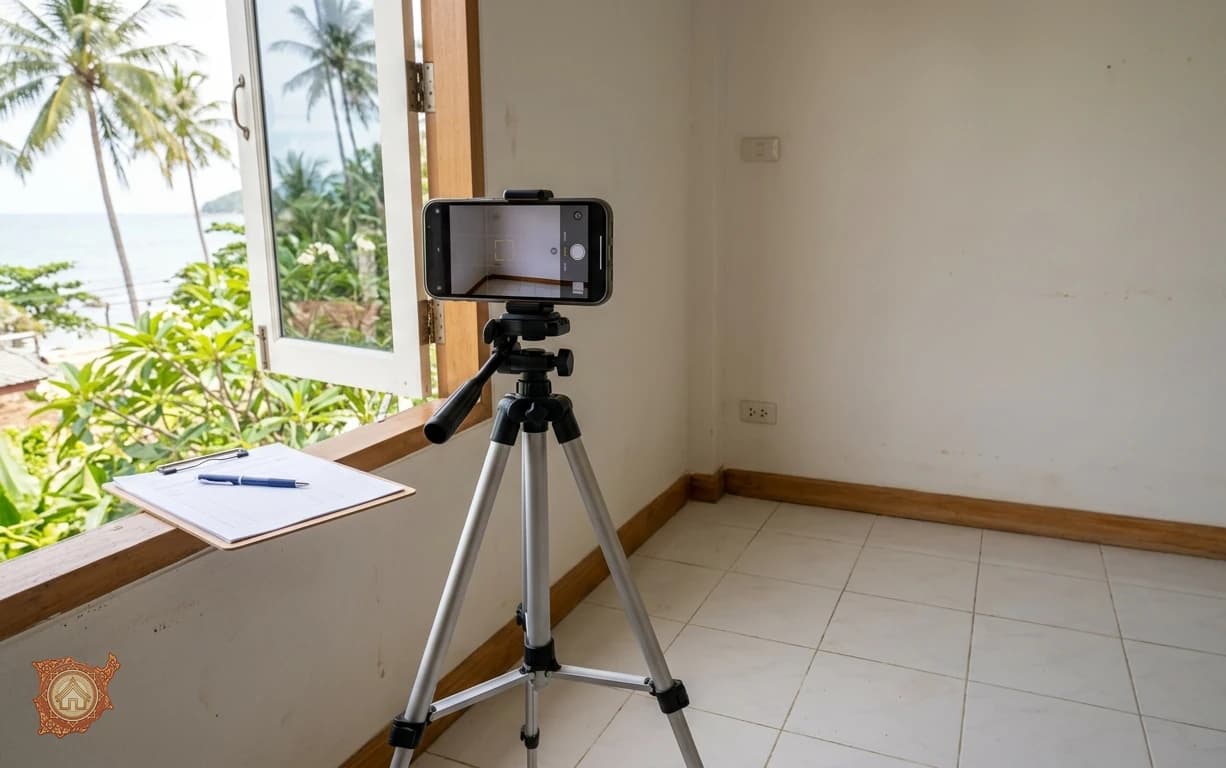
My move-in ritual takes twenty minutes with a phone. Photograph every room from the doorway, then close up on anything already marked: the scratched door in a Bang Rak rental I photographed in 2019 saved me a full repaint claim two years later. Read both meters aloud and write them into the report. Walk the furniture inventory room by room ticking items off. The written condition report then describes the home you found, not the home somebody remembers.
Why deposit disputes actually happen
In nine years of fielding deposit questions, I have found that almost every dispute began before the tenancy did. No condition report was made, so the argument became memory versus memory. Meters went unread, so utility totals were guesswork. Verbal promises about repairs stayed verbal. None of these fights needed bad faith; they needed records. Two minutes of photography at move-in would have ended most of them, because a dispute between documents ends quickly while a dispute between memories pays whoever argues longer.
The return timeline, stated plainly
The commitment reads exactly like this: "Your deposit is returned within 3 business days of move-out, checked against benchmarked repair costs." Every part of that sentence is checkable. Three business days leaves the inspection nowhere to hide, and benchmark pricing means any proposed deduction arrives carrying its own evidence: the move-in report entry, the move-out photograph, the priced repair line. Where a line cannot show its work, the money behind it returns with the rest.
Looking for a home where the deposit terms are written down before you pay? Browse long term apartments and condos on Koh Samui.
Keep reading about renting on Koh Samui

Proof of Accommodation for a DTV Visa
Which documents prove residence for a DTV visa on Koh Samui: the lease details immigration accepts, how lease term lines up with visa term, and the TM30.
Moving to Koh Samui: A Checklist
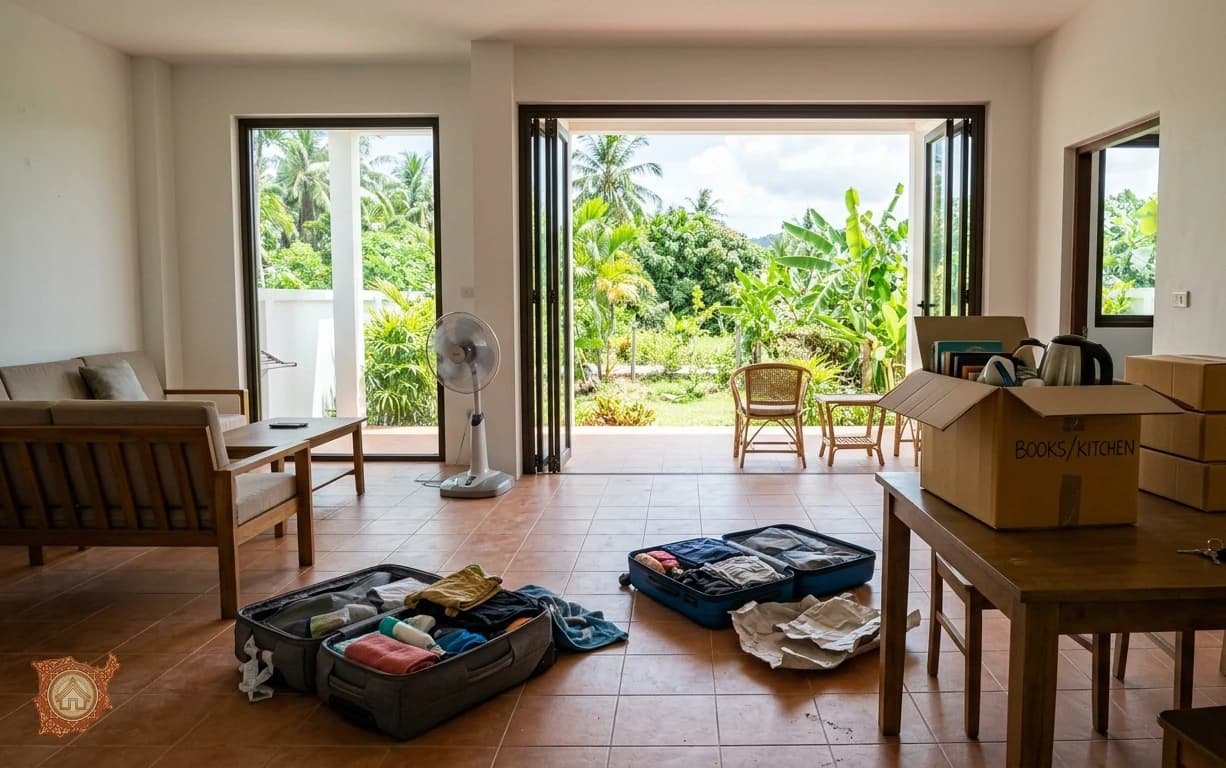
A moving to Koh Samui checklist in three passes: what to arrange before you fly, what to do in your rental during the first week, and what month one settles.
Every guide is collected in the Koh Samui long term rental blog.
Rent where the deposit rules are explicit
Samui Stay shows rent and deposit as separate lines before you confirm anything and records the home's condition at move-in. Your deposit is returned within 3 business days of move-out, checked against benchmarked repair costs.